



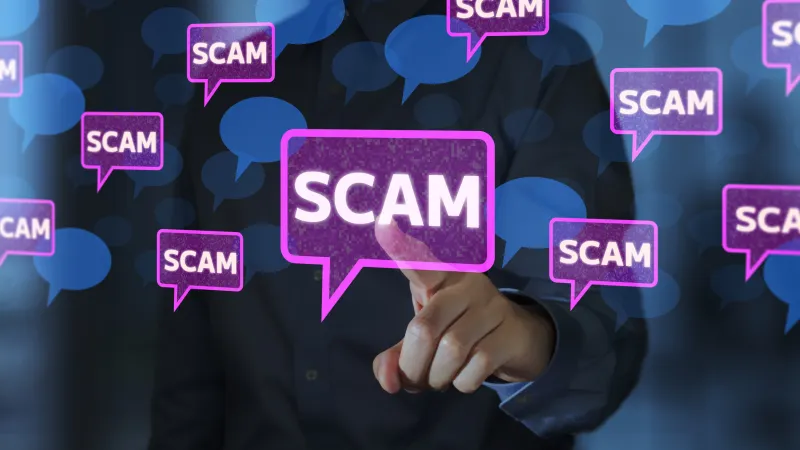
How to detect Social Media Messenger Scams
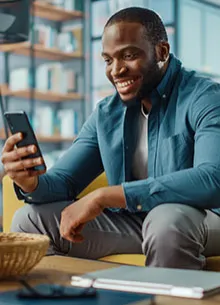
A message pops up on Facebook Messenger that looks like it came from a friend. Maybe it says, "Is this you in this video?" or "You won't believe this!" On Instagram, someone reaches out pretending to be customer support. On WhatsApp, a stranger claims you've won a prize or offers an investment opportunity that sounds too good to pass up.
Social media messaging scams are everywhere right now and they're getting incredibly sophisticated.
Unlike phishing emails that are usually filled with spelling mistakes and obvious red flags, messenger scammers often sound polished, friendly, and believable. Some even use hacked accounts belonging to real people you know. Others create fake profiles that look nearly identical to trusted businesses, financial institutions, or even family members.
The goal? To get your personal information, access your accounts, and even steal your money.
One reason these scams work so well is because social media messaging feels personal. When a message comes through an app you use every day, your guard naturally drops. Scammers know that. They use urgency, emotion, curiosity, or fear to pressure you into acting quickly before you have time to think things through.
Some common social media messenger scams include:
- Fake account alerts asking you to "verify" your password
- Messages claiming you've won money or a giveaway
- Romance scams that slowly build trust over time
- Investment or cryptocurrency opportunities promising fast profits
- Friends' accounts that have been hacked and are now sending malicious links
- Marketplace scams involving fake payments or shipping requests
So, how can you spot the warning signs?
Pay attention to urgency. Scammers often create panic by saying your account will be locked, your money is at risk, or you must act immediately. Real organizations don't pressure people this way through direct messages.
Look closely at links and profiles. A fake account may use a familiar logo or photo, but have a slightly different username. Links may also look legitimate at first glance, but lead to fake websites designed to steal your login credentials.
Requests for personal information. Legitimate businesses including SAFE will not ask for passwords, security codes, debit card numbers, or online banking credentials through social media apps. Ever.
It's also important to trust your instincts. If something feels off:
- Slow down
- Call the person directly
- Visit the company's official website yourself instead of clicking links
- Ask questions. Scammers rely on quick reactions and emotional decisions
And remember: artificial intelligence is making scams even more convincing. Fraudsters can now generate realistic messages, fake images, cloned voices, and highly personalized conversations in seconds. That means consumers have to be more cautious than ever before.
The good news? Awareness is one of the strongest tools you have.
The next time an unexpected message lands in your inbox, pause before you click. A few extra seconds of caution could protect your money, accounts, identity, and peace of mind.