




How to tell if a notice is real or just an advertisement
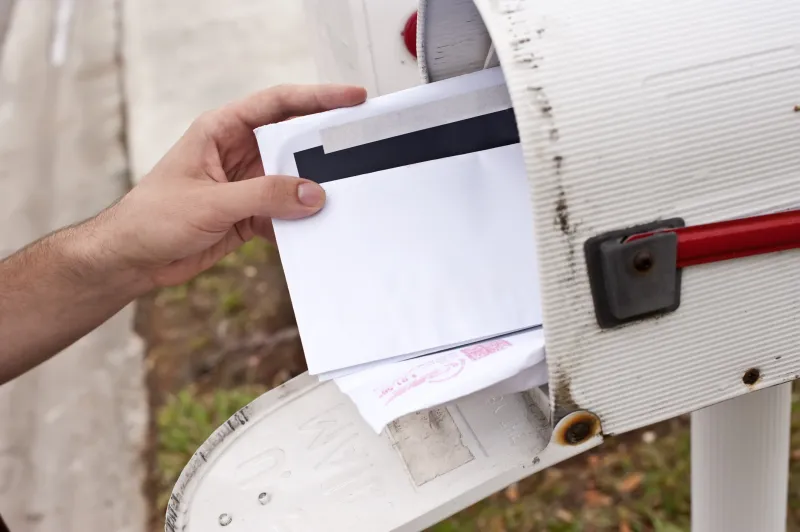
You've probably seen one in your mailbox this week...a letter stamped with “Important Notice” on the envelope. Inside, it mentions your mortgage company or your insurance provider by name. It says you need to respond soon, so you reach for your phone and your debit card. Before you do that, take a closer look! It may actually be an advertisement.
Companies sometimes send mailers designed to look like official notices as a way to get you to take action. They may use details from public records or marketing lists to make the letter feel personal. Seeing your lender’s name or your property address on a page does not mean the letter came from your lender. Here are a few ways to check before you respond:
Look for the actual sender - The company named in large print may be different from the one listed in the return address or fine print. Read the small print carefully for phrases like “advertisement,” “solicitation” or “not affiliated with your lender,” that can reveal who you’re actually dealing with.
Watch for pressure - A short deadline or warning that you must act immediately is often used to get you to respond before checking the details. Be careful with payment requests. If you weren’t expecting a bill, don’t send money or share your account information based on the letter alone.
Verify before you act - If you’re unsure about a letter or notice, contact your mortgage company or insurance provider using the number on your statement, policy documents or their official website. Ask whether they sent the notice and if any action is needed. Don’t use the phone number printed on the mailer until you know who sent it.
Some advertised products and services may be legitimate. The key is knowing when you’re looking at an offer rather than a bill. A quick check can help you decide if it’s something you actually want—and keep you from paying for something you thought you had to buy.