




What does "house poor" really mean?
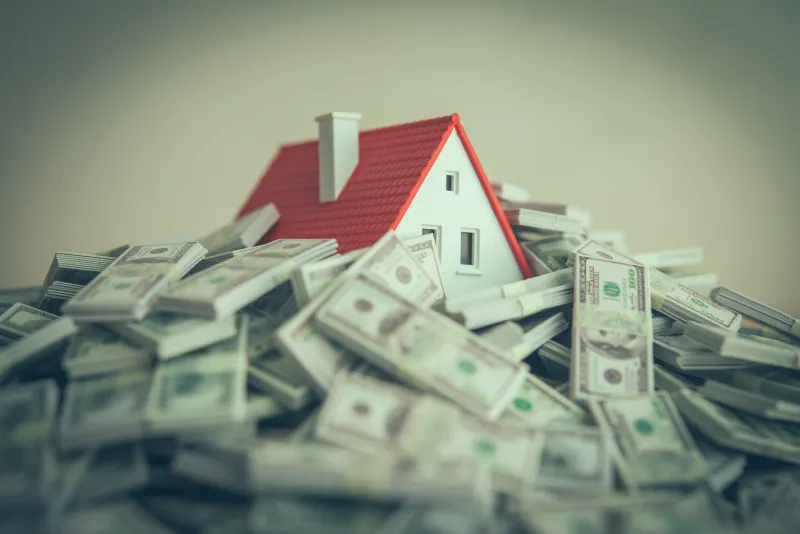
If you've ever been in the market for a new home or talked about becoming a homeowner, you've probably heard the saying, "house poor." But what does being "house poor" really mean?
Being house poor means your home costs take up so much of your income that there is little room left for anything else. You can technically make the mortgage payment, but once utilities, insurance, groceries, gas, debt payments, childcare, and everyday expenses are covered, money is very tight.
Buying a home is one of the biggest milestones many people reach. With that comes a few important financial concepts every buyer should understand before committing.
What Is the Difference Between Qualifying for a Mortgage and Affording One?
Many buyers focus on one question: "Can I qualify for this amount?" The better question is: "Will I still feel financially comfortable after I move in?"
There is a big difference between qualifying for a mortgage and comfortably living with it. You might buy at the very top of your budget because you fall in love with a larger home or a specific location. On paper, the payment works. But afterwards, you realize you're cutting back on things like vacations, dining out, and savings. Emergencies start to feel stressful and home repairs become overwhelming. You might even start relying on credit cards more than you'd like.
What Costs Should You Plan For Beyond the Mortgage Payment?
The monthly mortgage payment is only part of the picture. Home costs also include property taxes, homeowners insurance, utilities, maintenance, HOA fees, lawn care, and unexpected repairs. Even small things add up quickly when you move into a larger space. That's why it's reccomended you leave some breathing room in your monthly budget instead of stretching to the absolute maximum loan amount. Use SAFE’s home affordability calculator to get a realistic estimate of what you can comfortably spend.
How Do You Know If a Mortgage Payment Fits Your Budget?
Ask yourself these questions before committing to a home purchase:
- Can I still save money regularly?
- Will I be able to handle emergencies when they arise?
- Can I still enjoy occasional extras like dining out or activities?
- Can I still contribute toward retirement?
- Will I be able to cover normal expenses without constant stress?
If the answer is yes to most of these, your mortgage will likely add to your financial stability instead of straining it.
How Can You Avoid Becoming House Poor?
Avoiding house poor status is possible with planning. Before buying a home:
- Look at your full monthly budget, not just the mortgage payment
- Estimate future utility and maintenance costs for the specific property
- Keep some savings intact after closing for emergencies
- Avoid taking on new debt before or during the homebuying process
- Be honest about what monthly payment truly feels comfortable
If you want help creating a realistic budget, SAFE offers free financial counseling for members.
What Is the Smartest Way to Buy a Home?
Just because you get approved for a certain amount, you don't have to spend it all. The smartest financial move is to buy the home that allows you to still enjoy your life after all the boxes are unpacked.
A SAFE mortgage loan officer can help you understand your options and find a payment that works for your full budget, not just on paper. Explore SAFE's mortgage options or schedule an appointment to talk through your situation.
Frequently Asked Questions:
Q: What does house poor mean?
A: House poor describes a situation where your mortgage and home-related costs consume so much of your income that you have little money left for savings, emergencies, or everyday expenses. You can make the payment, but your overall quality of life suffers.
Q: How do I know if I can afford a house?
A: Look beyond the mortgage payment. Factor in property taxes, insurance, utilities, maintenance, and HOA fees. If you can cover all these costs and still save money, handle emergencies, and enjoy your life, the home is likely within your means.
Q: What percentage of income should go to housing?
A: A common guideline is that housing costs should not exceed 28-30% of your gross monthly income. However, the right number depends on your total financial picture including other debts, savings goals, and lifestyle needs.
Q: How can I avoid becoming house poor?
A: Buy below your maximum approved amount. Budget for all housing costs beyond the mortgage. Keep an emergency fund intact after closing. Avoid taking on new debt around the time of your purchase. Work with a lender who will help you find a comfortable payment, not just the maximum you qualify for.